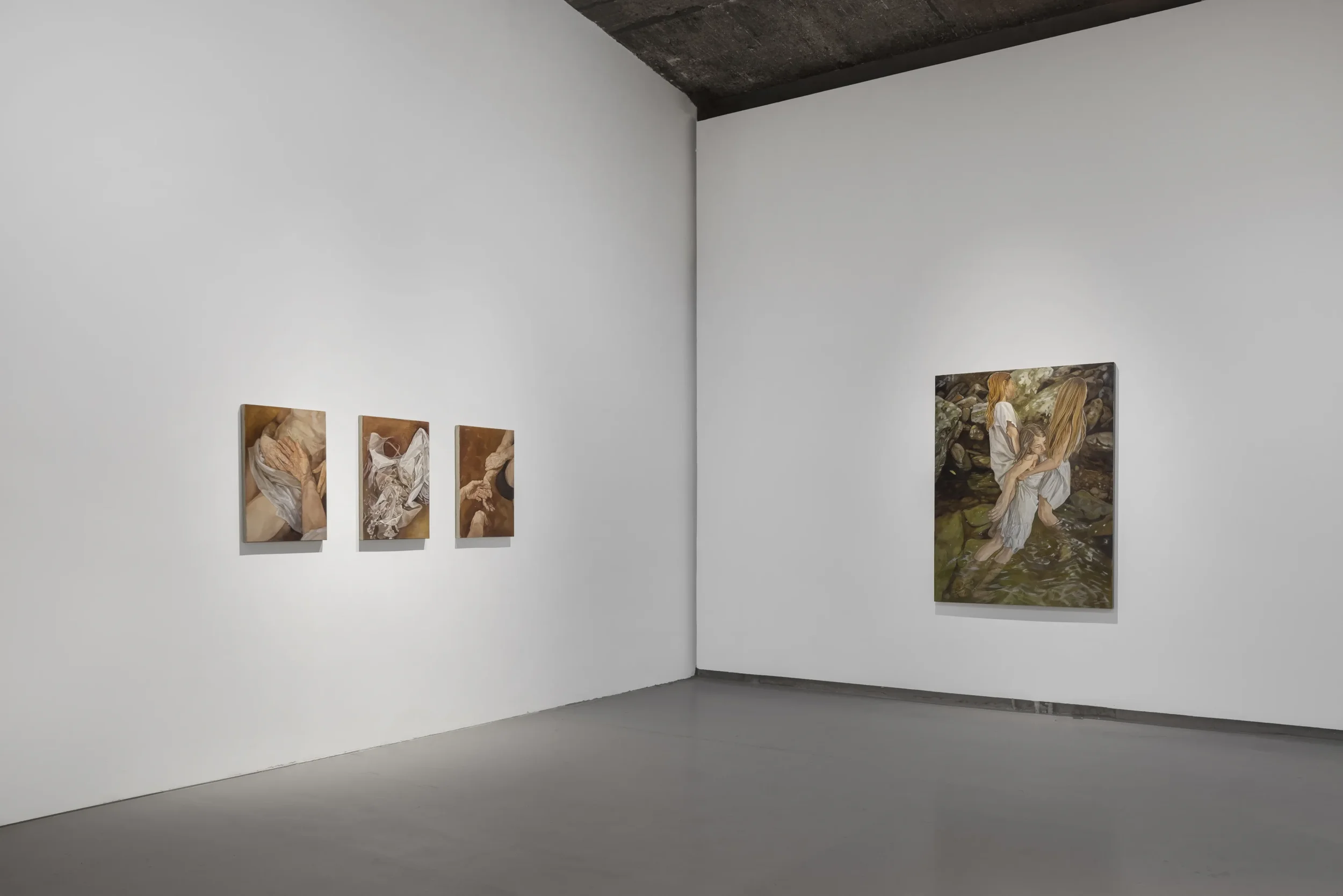
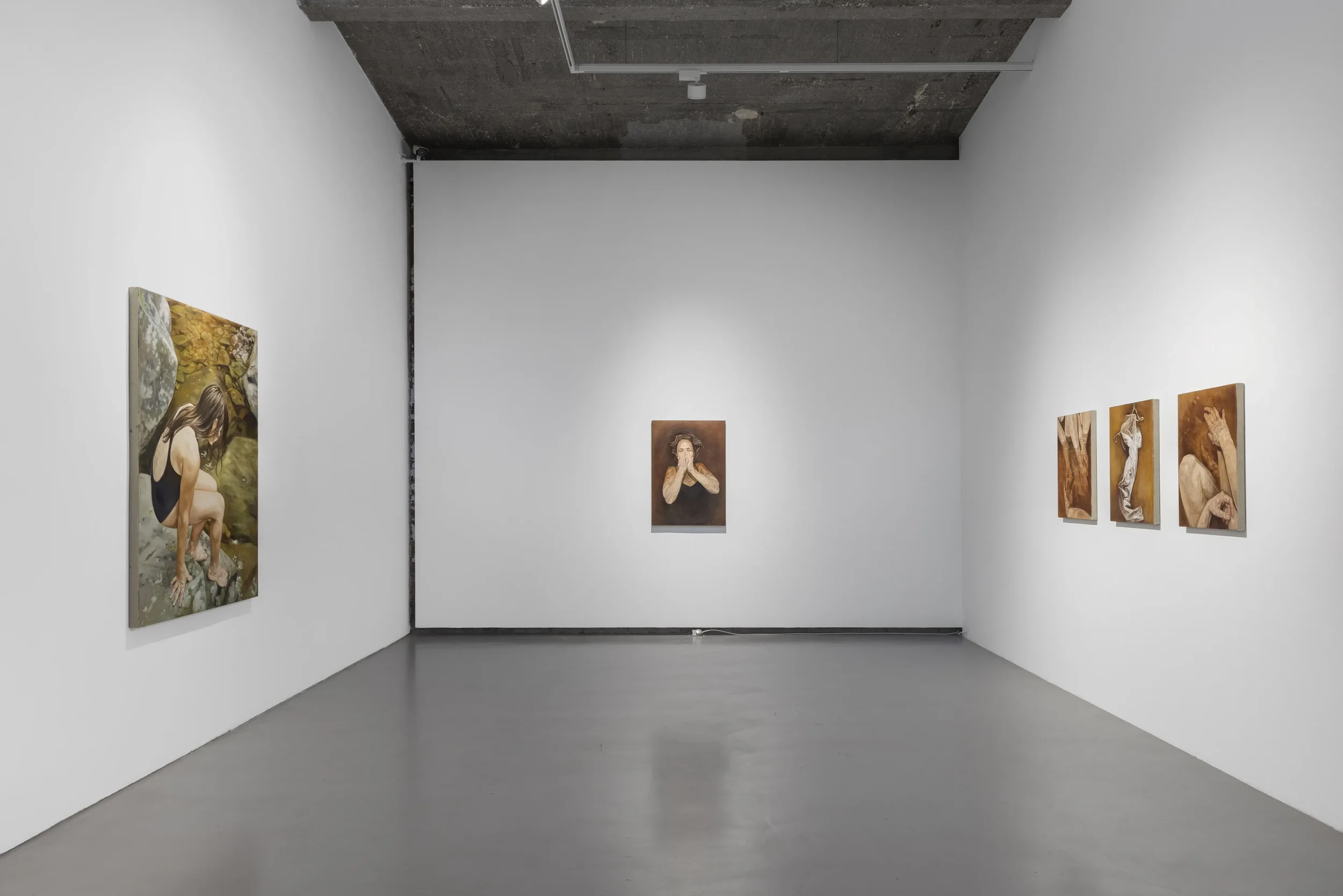
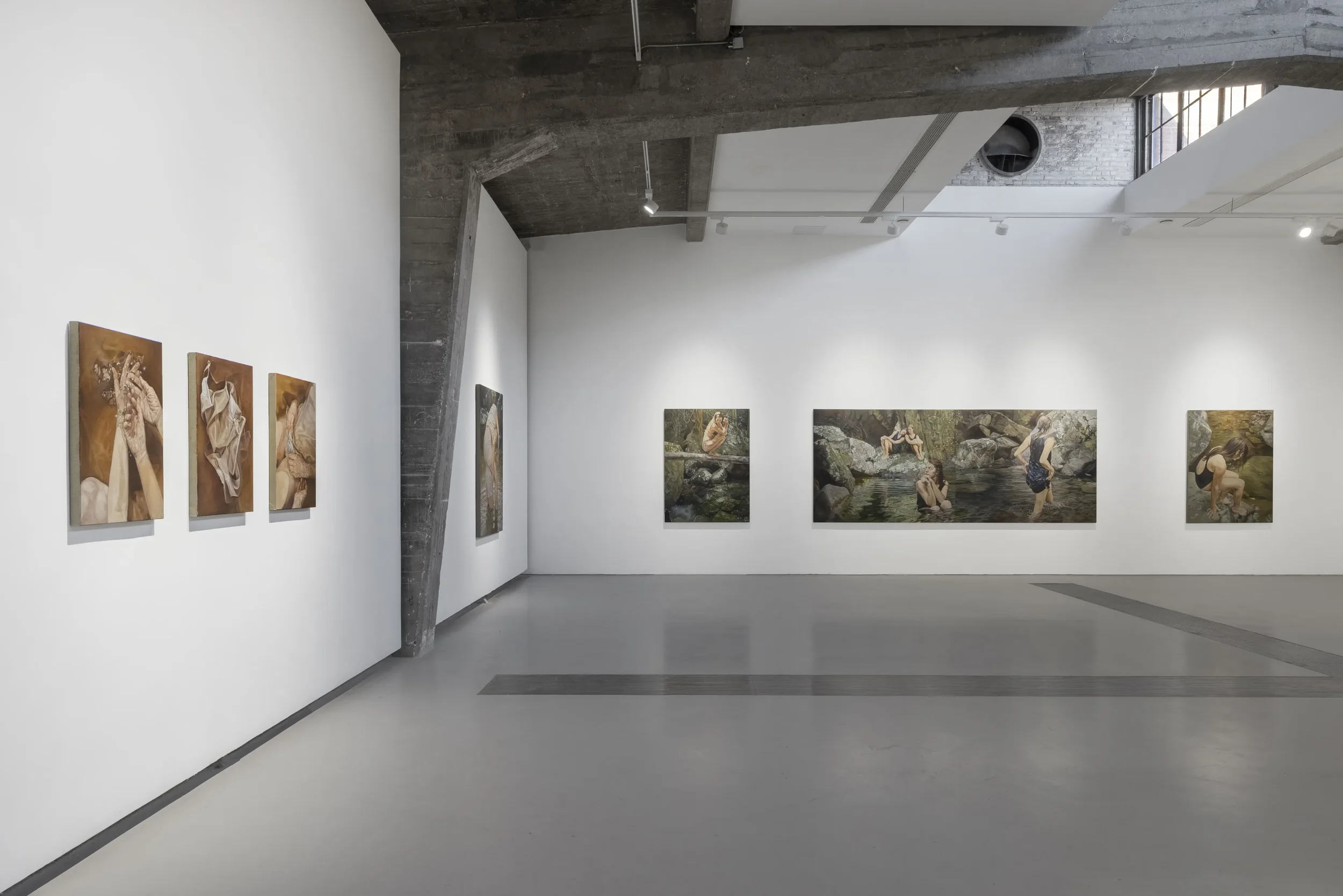
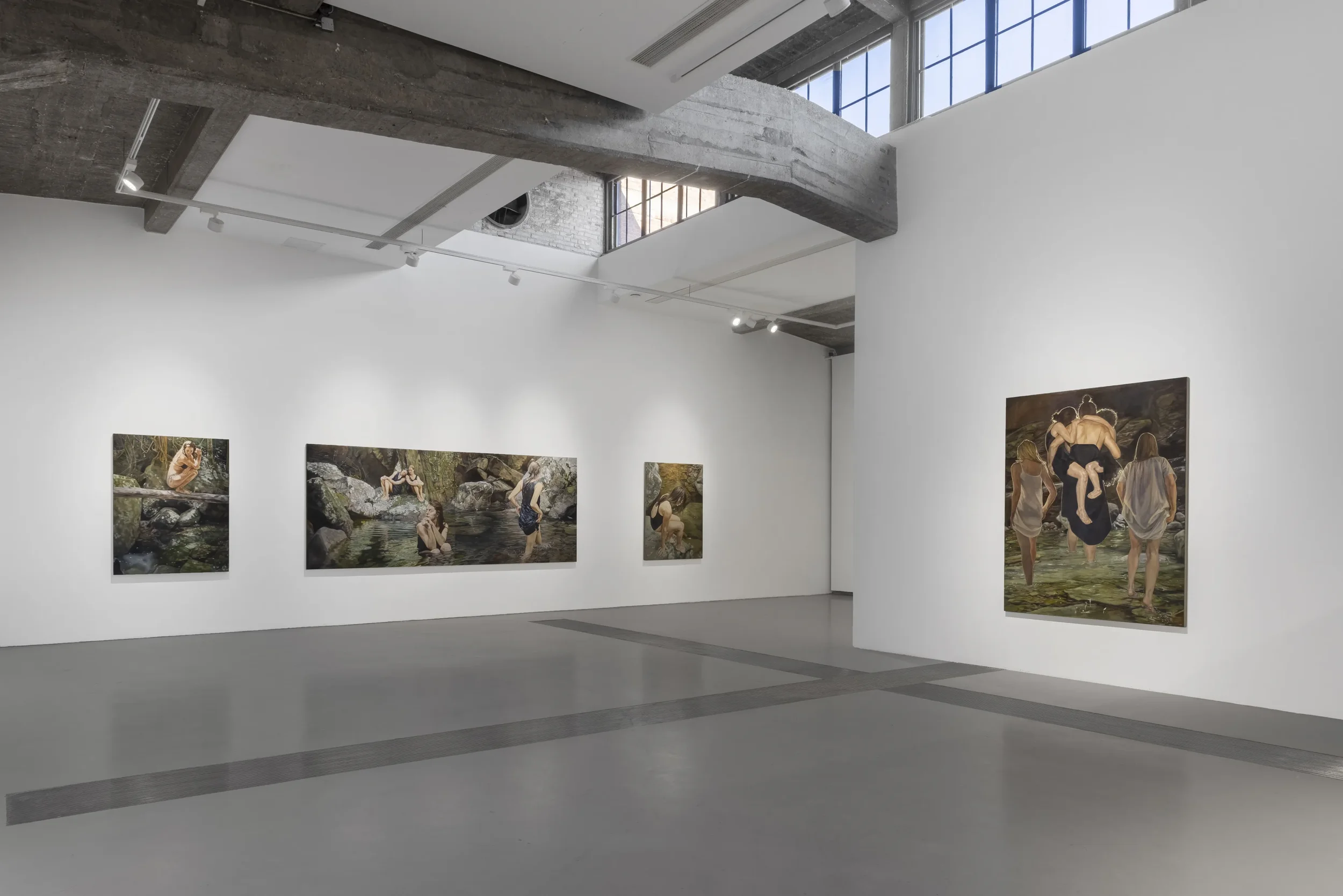
Then I Wake Up
2026 Oil on Linen 160x120cm
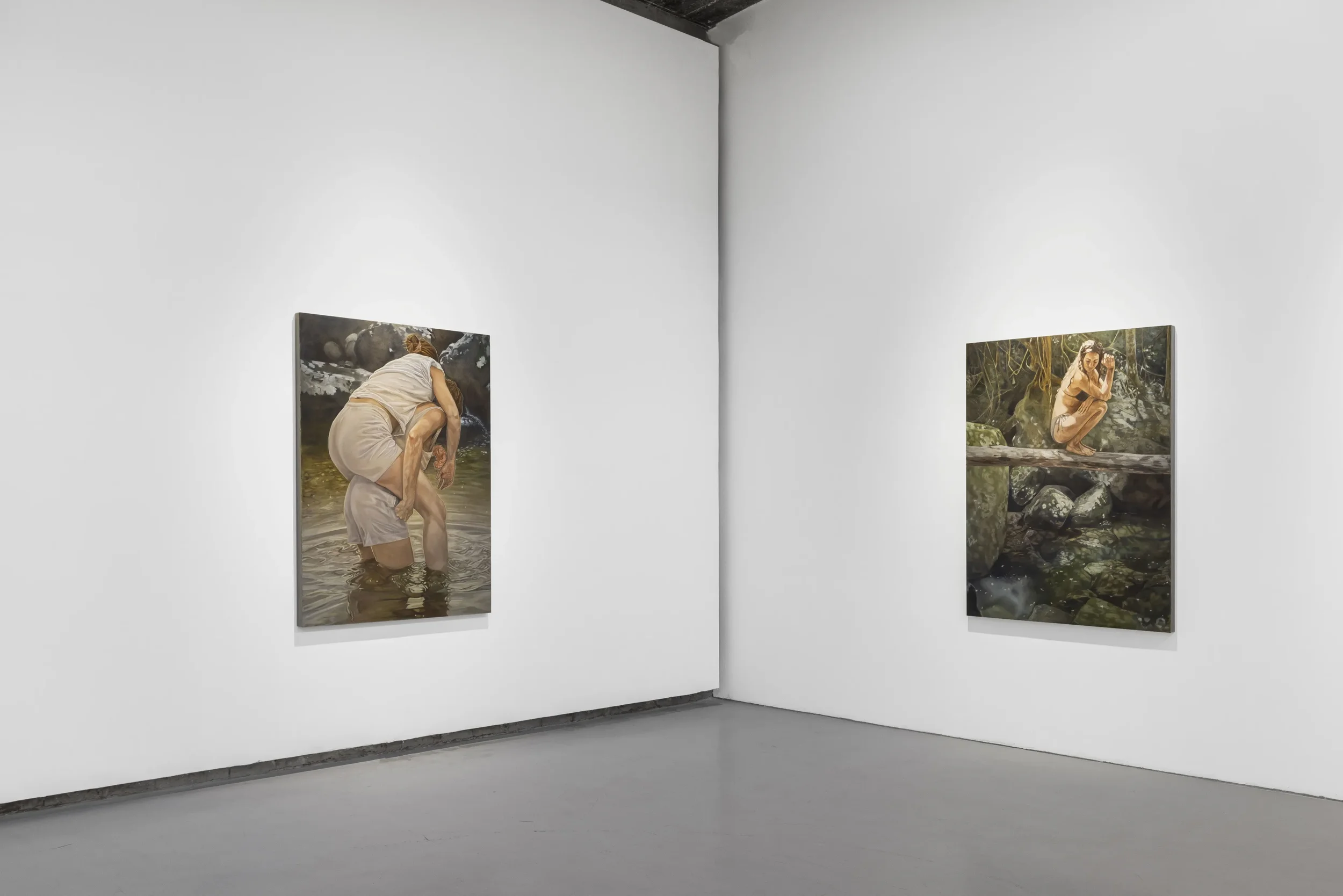
Wade
Tabula Rasa Gallery ∣ Beijing
Solo Exhibition 2026
-
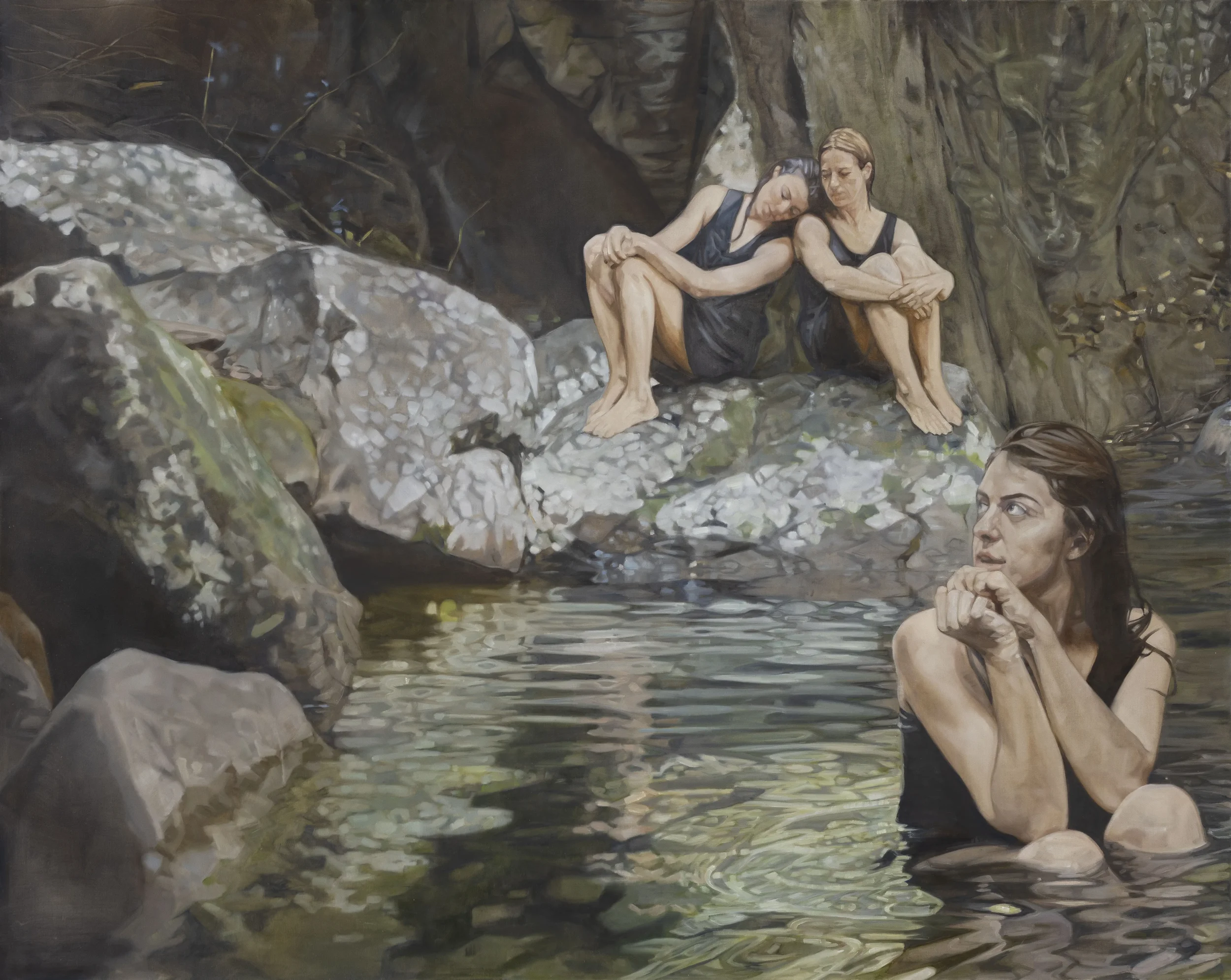
Wade I
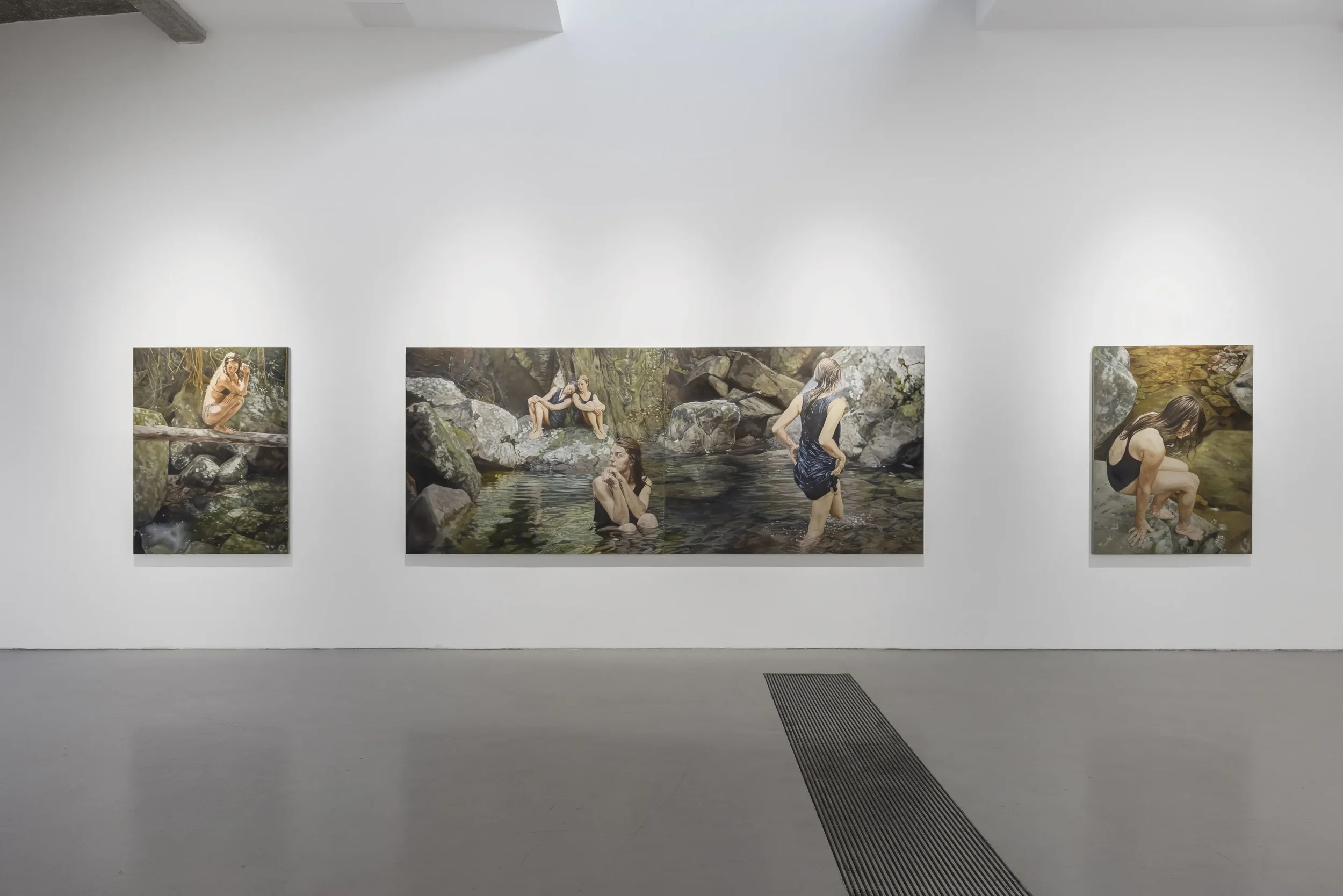
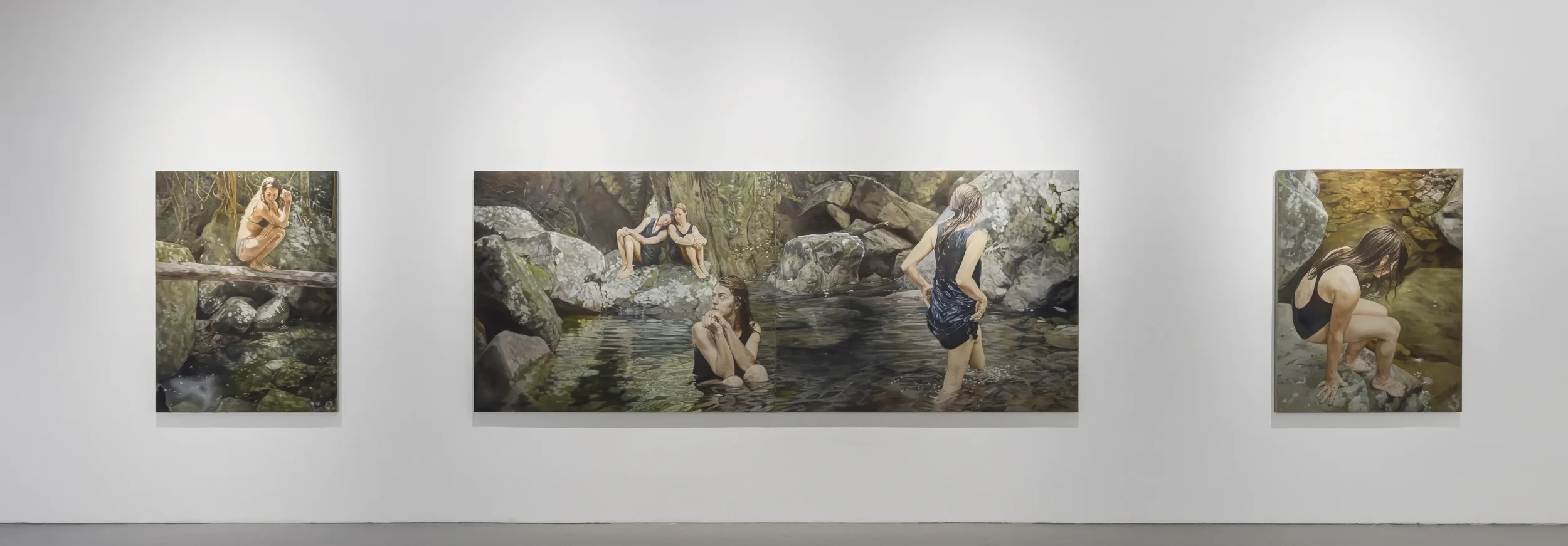
2026 Oil on Linen 160x200cm
-
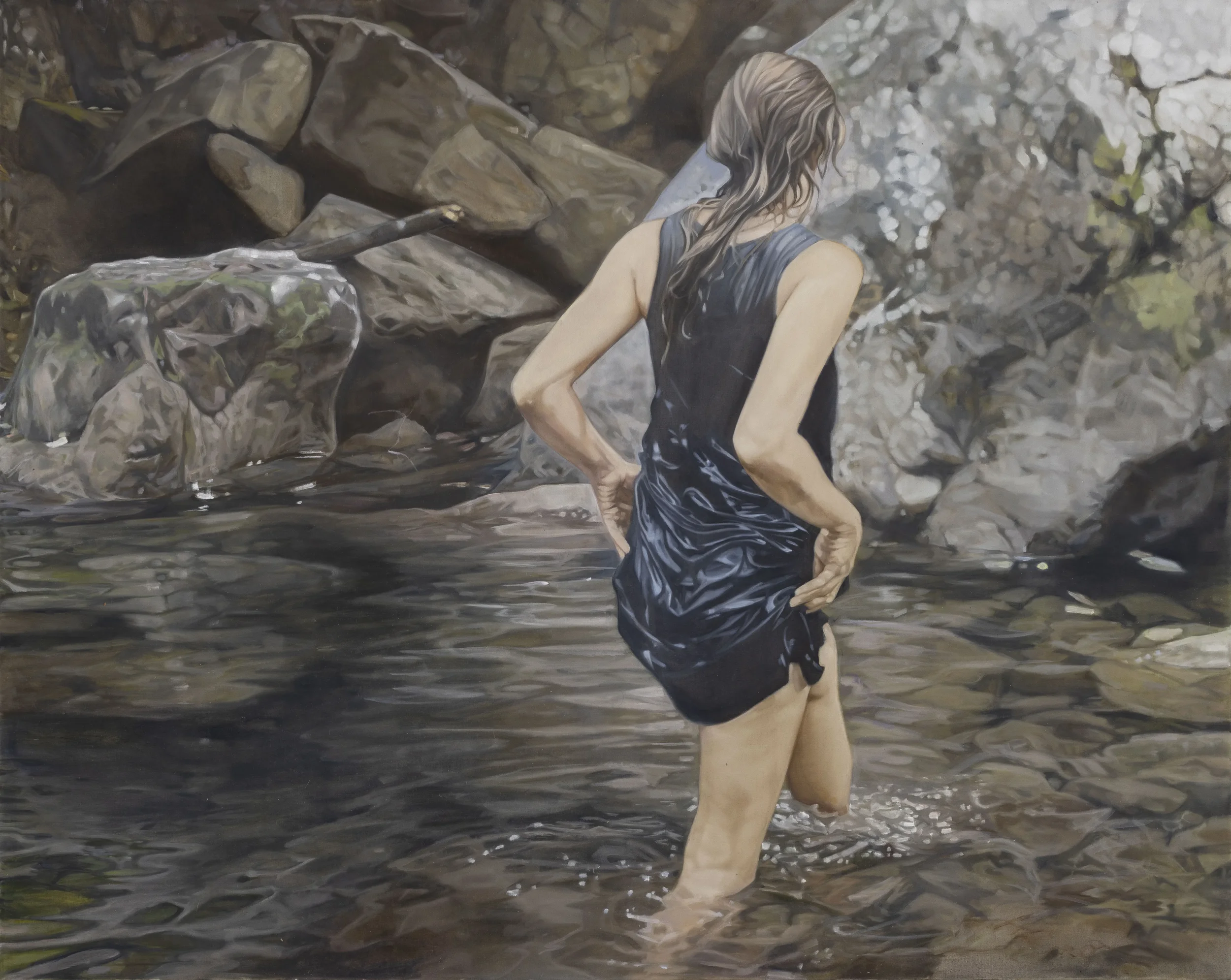
Wade II
2026 Oil on Linen 160x200cm
-
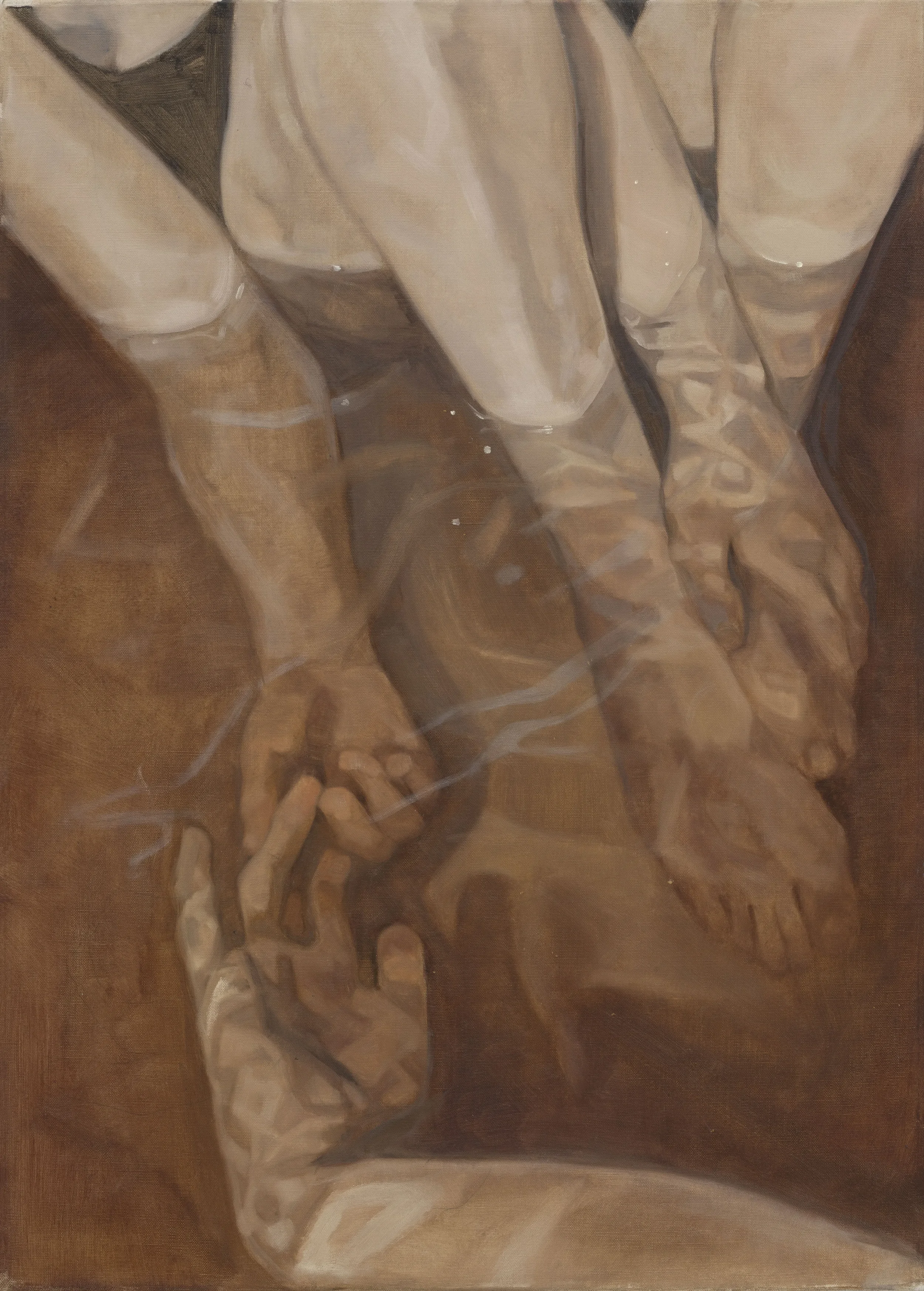
Bathe
2026 Oil on Linen 70x50cm
-

Unknown
2026 Oil on Linen 70x50cm
-
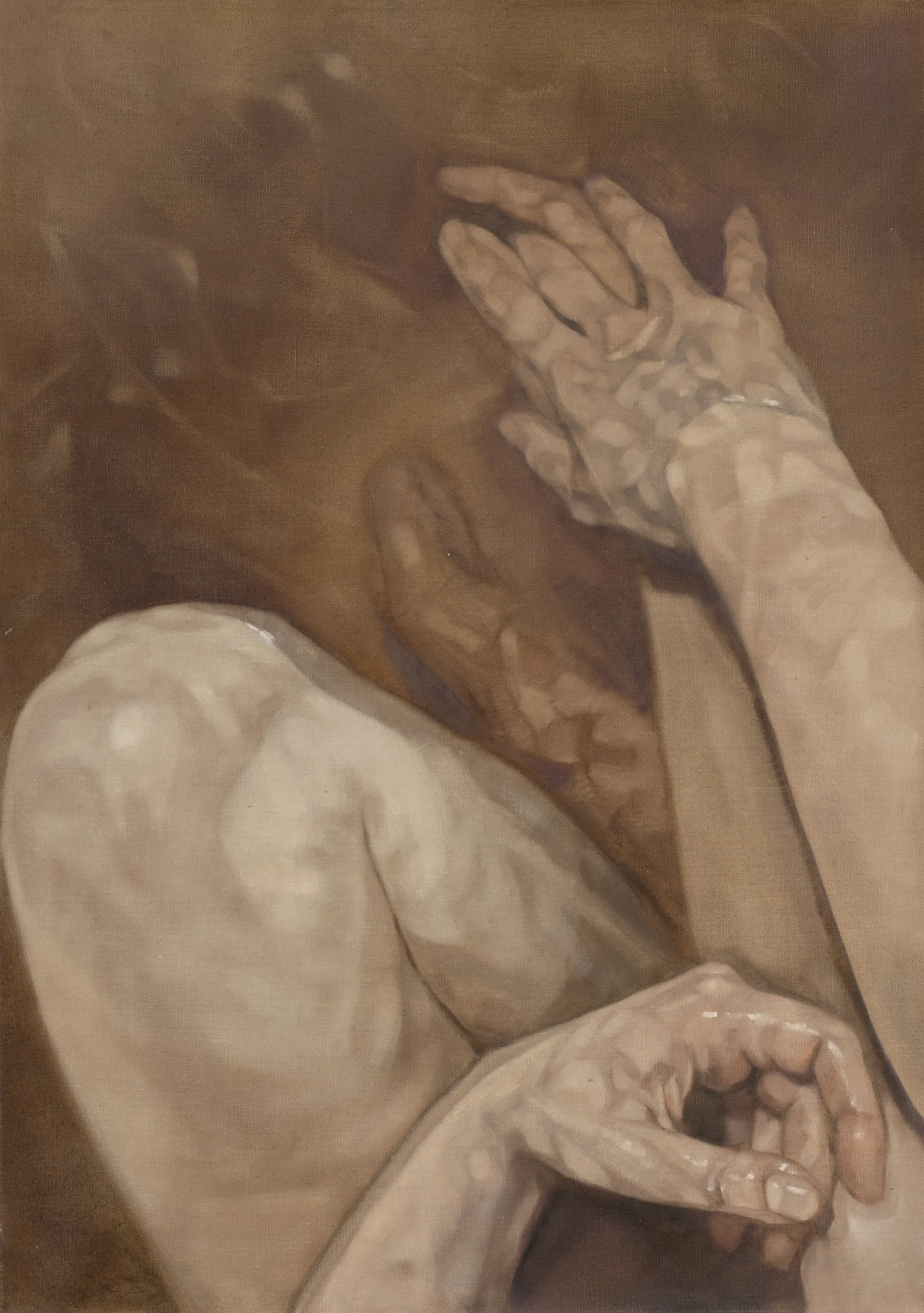
Immerse
2026 Oil on Linen 70x50cm
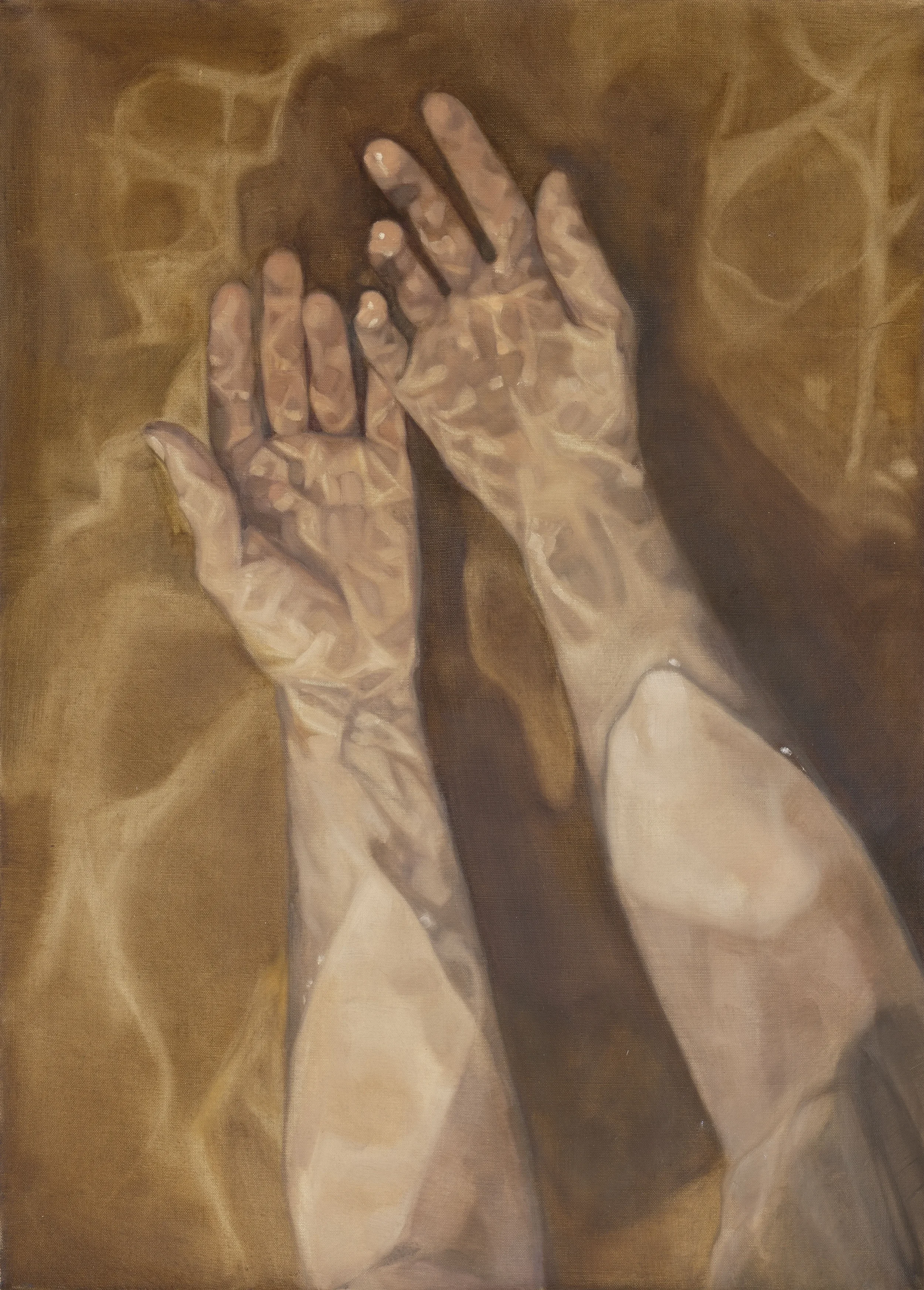
The Deep
-

Then I Wake Up
2026 Oil on Linen 160x120cm
-
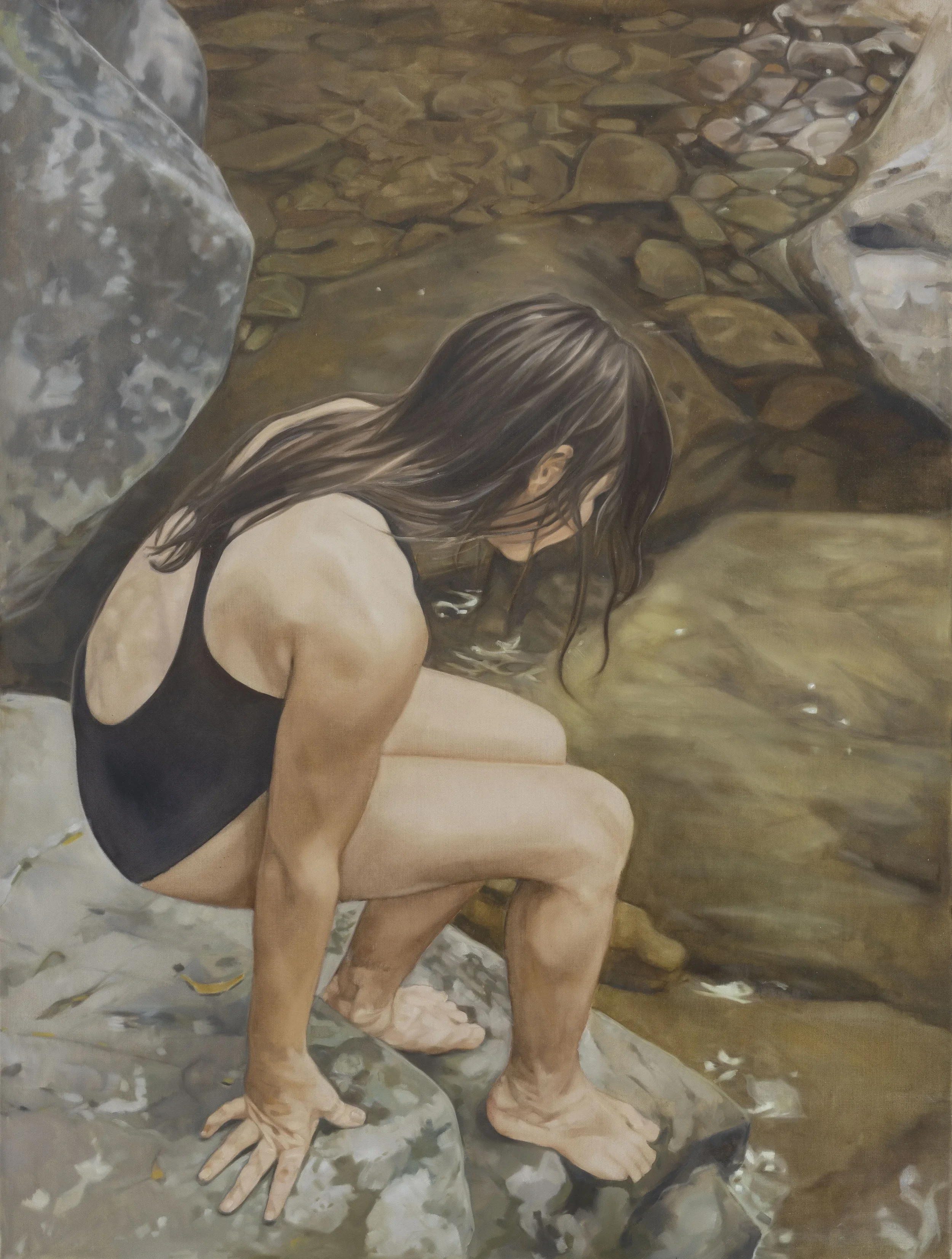
Shallow
2026 Oil on Linen 160x120cm
-

Making It Through
2026 Oil on Linen 160x120cm
-
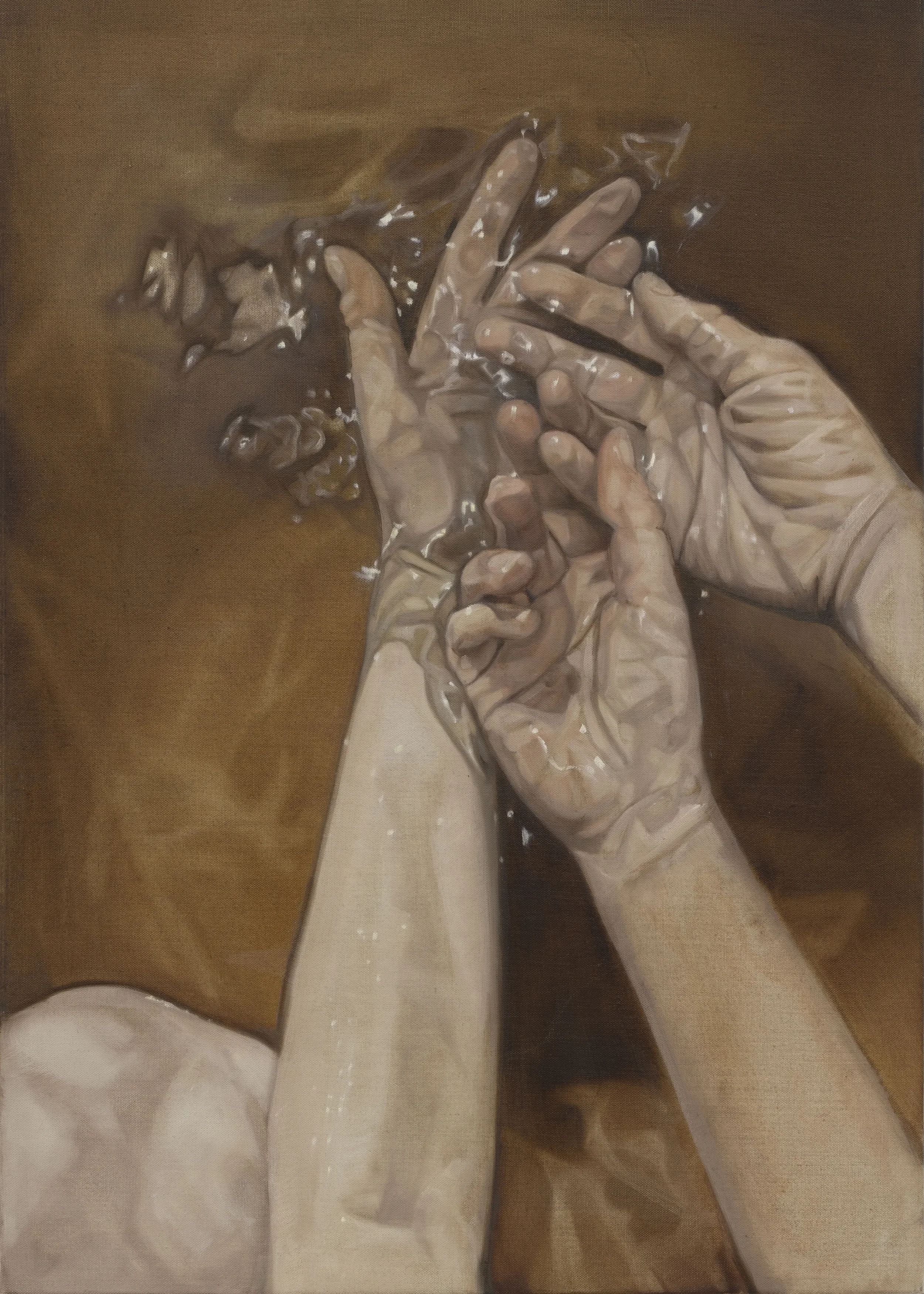
Disolve
2026 Oil on Linen 70x50cm
-
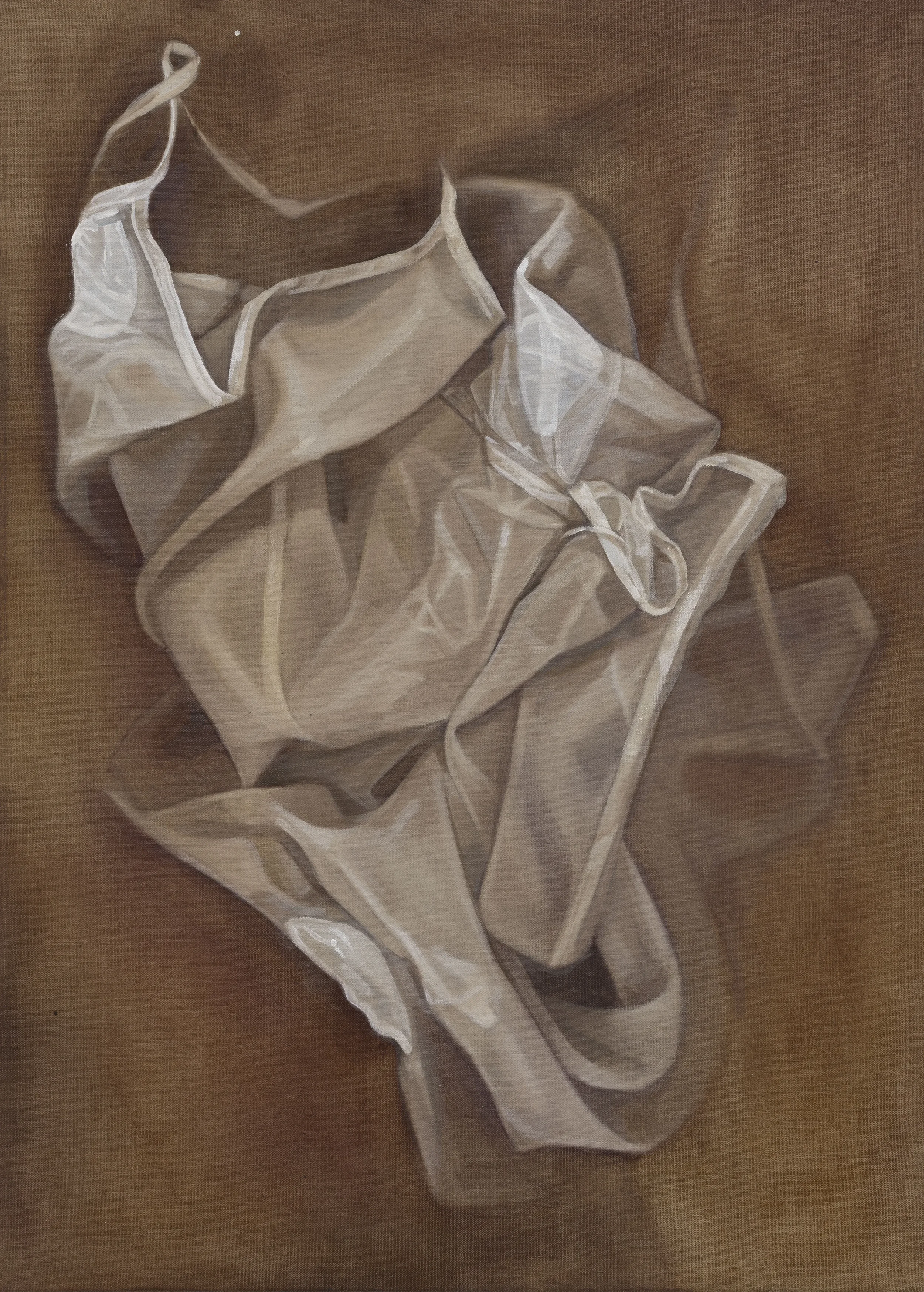
Emerge
2026 Oil on Linen 70x50cm
-

Wading Out
2026 Oil on Linen 70x50cm
Flood

-
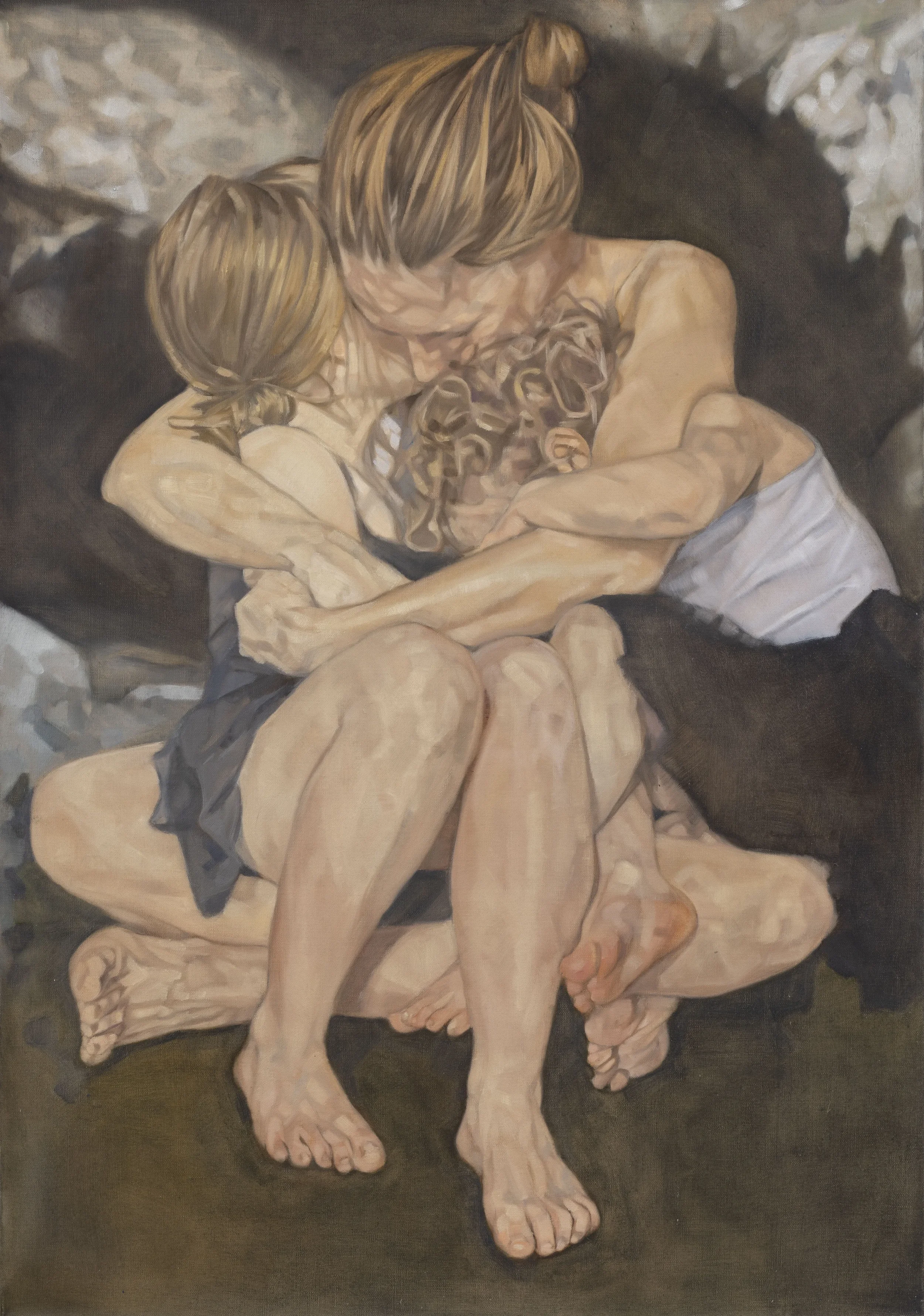
Protection
2026 Oil on Linen 100x70cm
-

Submerge
2026 Oil on Linen 100x70cm
-
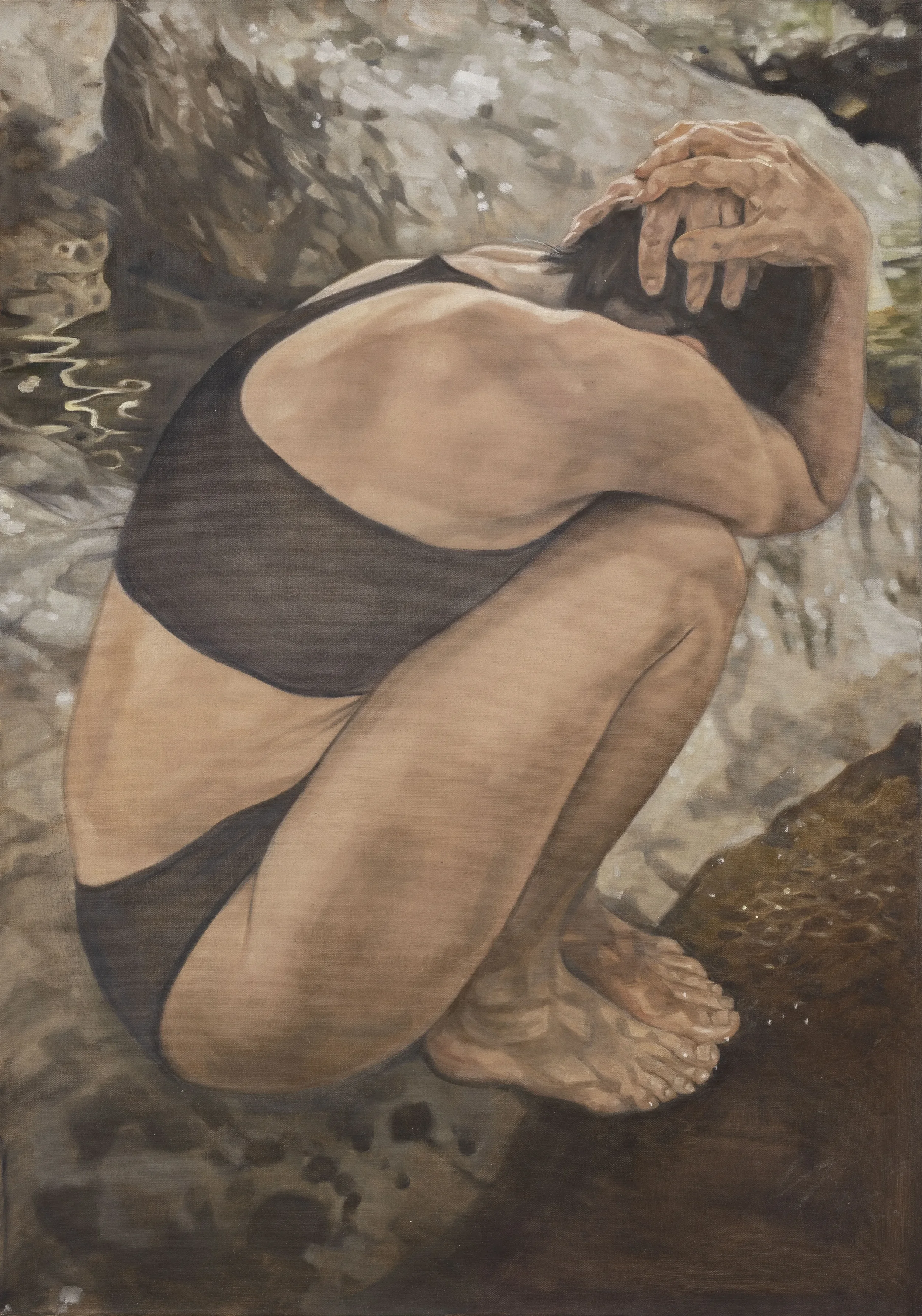
Edge
2026 Oil on Linen 100x70cm
-
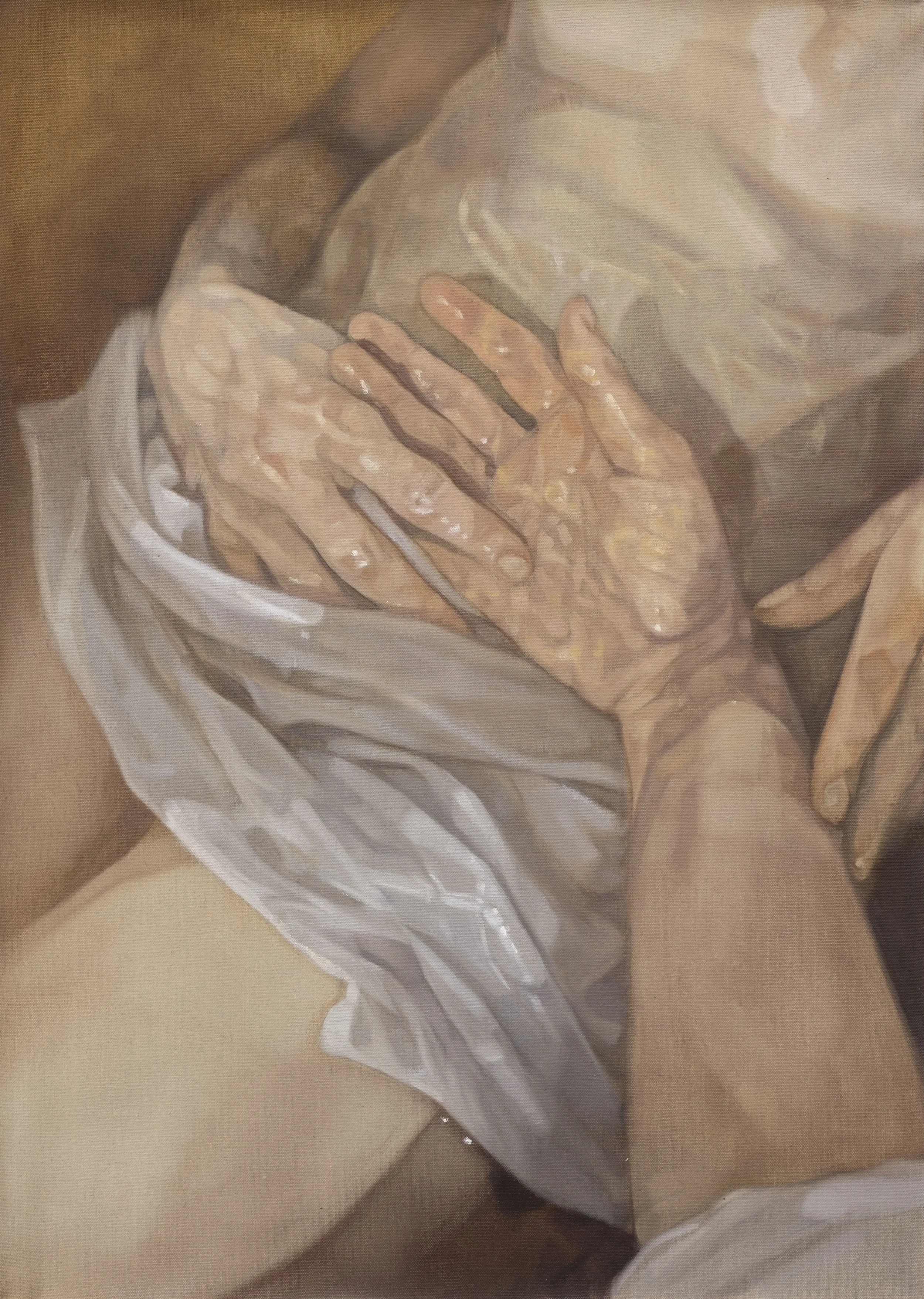
Solutio
2026 Oil on Linen 70x50cm
-
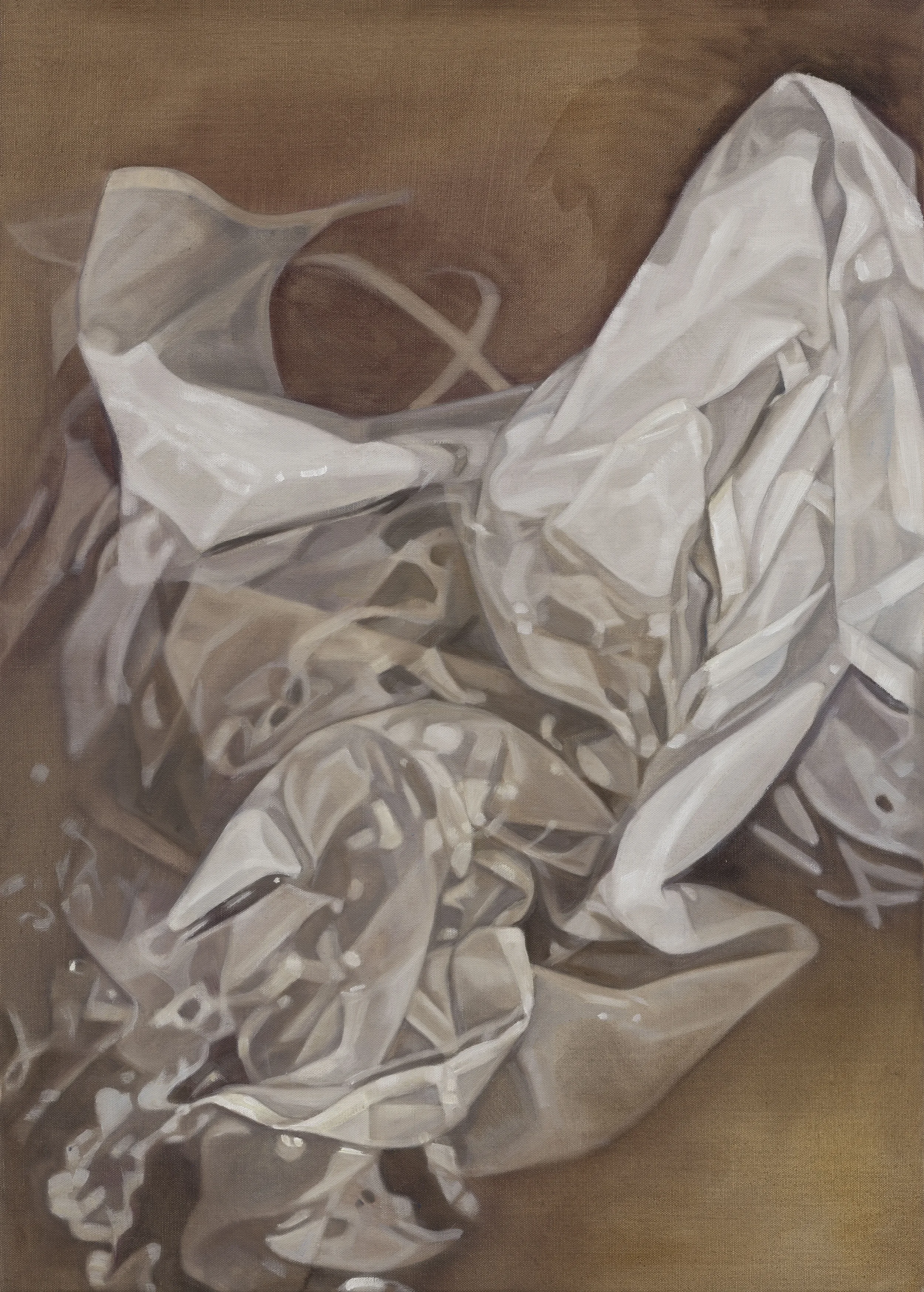
Throwing Towels into Water
2026 Oil on Linen 70x50cm
-
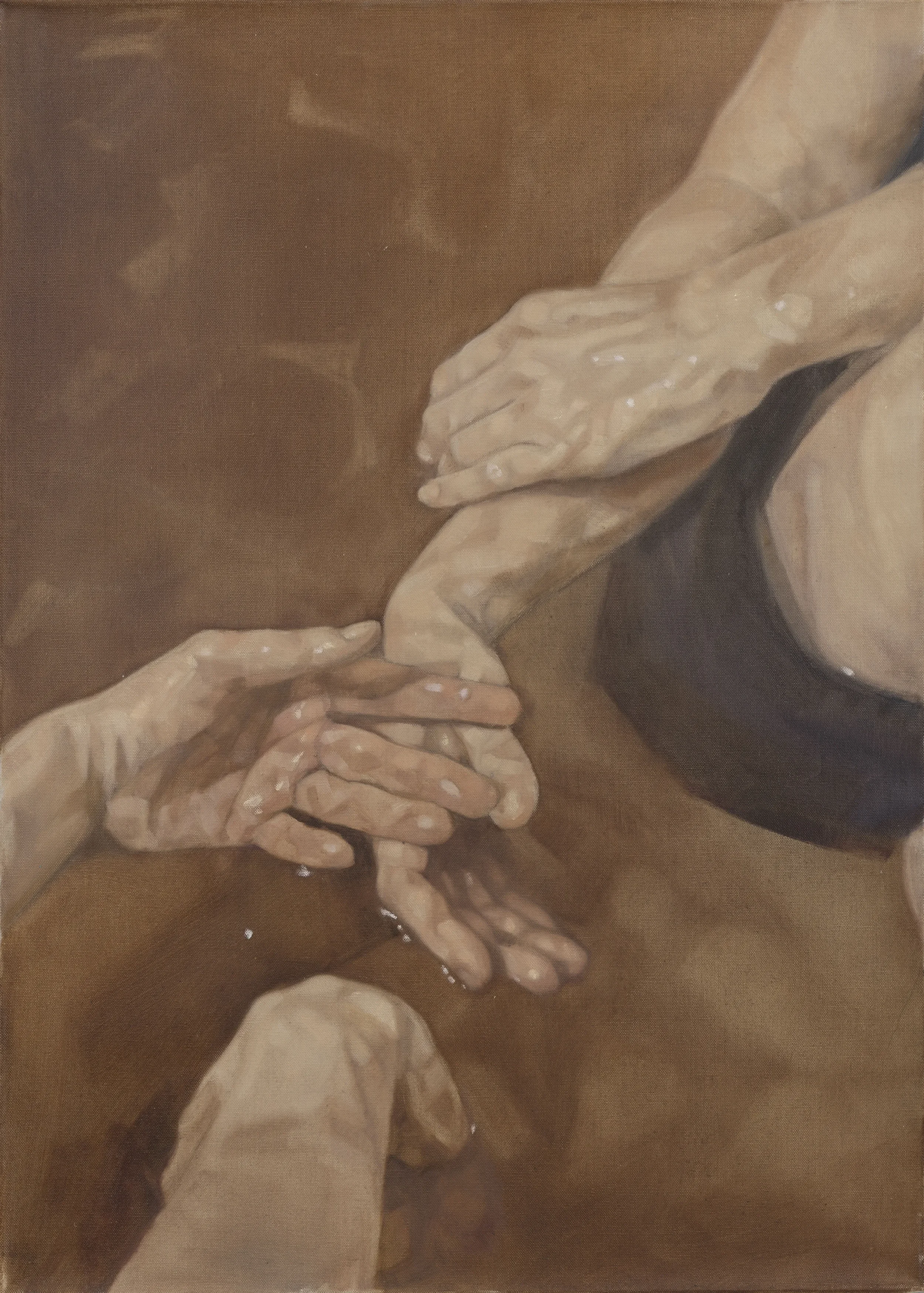
Overflow
2026 Oil on Linen 70x50cm
You Call Me Out Upon The Water

Wade Essay
Sammi Liu
“These are not images of arrival. They remain in the interval between what has been left behind and what has yet to take shape”
The exhibition takes its title from the act of wading: moving forward without full visibility, feeling one’s way through unfamiliar terrain. Throughout Wade, figures enter streams, stand at the water’s edge, carry one another through flooded landscapes, or pause in the darkened threshold between land and water. These are not images of arrival. They remain in the interval between what has been left behind and what has yet to take shape.
One conceptual point of departure for the exhibition is Carl Jung’s notion of solutio. In alchemical thought, solutio describes the dissolution of a solid substance into liquid; Jung reinterpreted this process psychologically as the loosening of fixed identities and established structures of the self. Immersion in water becomes a metaphor for moments of profound transition: experiences of loss, separation, growth, or transformation in which certainty gives way to something less stable. Rather than illustrating Jung’s theory, the paintings dwell in the interval it describes: the period in which old certainties have begun to dissolve, but no new form has yet emerged.
Landscape in Wade is not scenery, but condition. The creek, fog, dark water, and surrounding bushland become an emotional terrain through which the figures move, hesitate, and hold one another. Many of the paintings are set within landscapes derived from a rainforest creek south of Sydney, a place remembered by the artist for its beauty, danger, isolation, and wildness. These landscapes are neither observed nor imagined so much as remembered. Built from fragments of place, photograph, and recollection, they become sites where psychological and physical experience converge.
The atmosphere of Peter Weir’s 1975 film Picnic at Hanging Rock also runs through the exhibition. Its suspended narrative, charged natural setting, and sense of buried hysteria offer a point of resonance for Thackway’s images of girls and women in the landscape. Like the film, the paintings derive much of their power from what remains unexplained. Their narratives are less constructed than suspended, held in a state of anticipation, unease, and possibility.
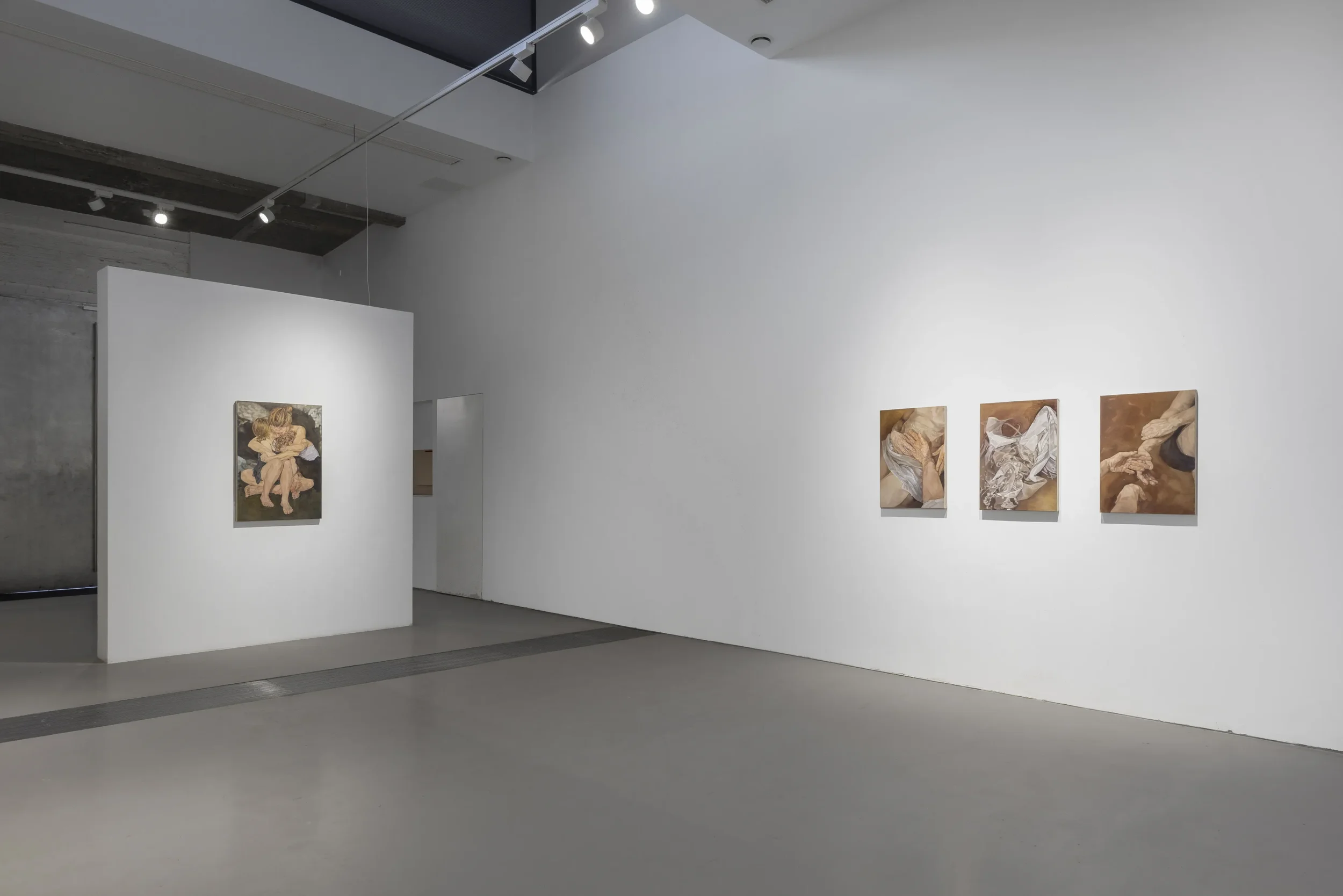
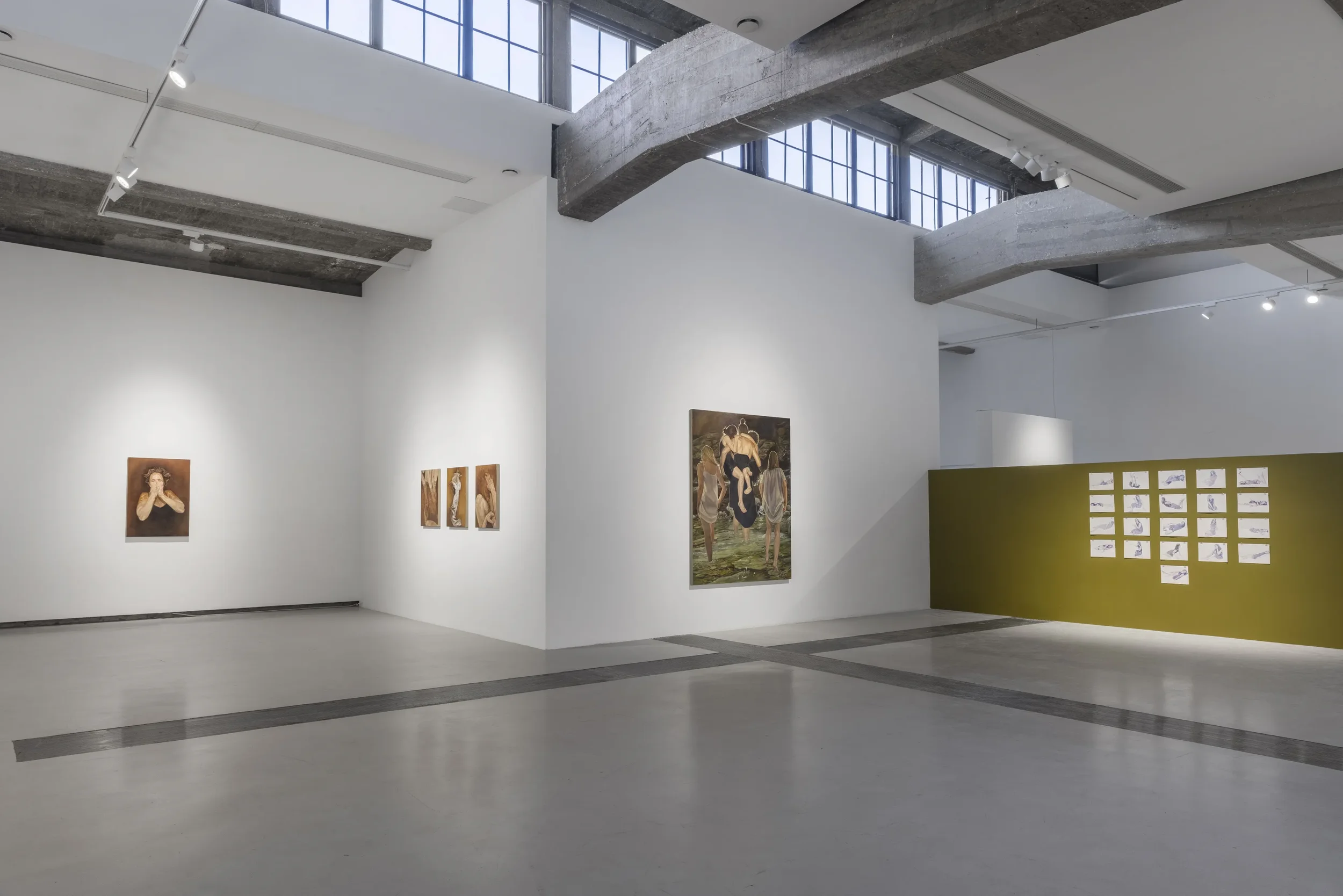
In Making It Through, two girls pull a third figure from the water. Her eyes are closed; it is unclear whether she is exhausted, injured, unconscious, or playing out a theatrical scene. In Flood, a mother carries her adult daughter through murky water, a gesture that suggests protection, burden, endurance, and tenderness at once. In Shallow, a preteen girl stands at the edge of a rock, tentatively about to step into the water. Each painting holds a threshold moment: before rescue is complete, before danger is named, before childhood fully gives way to what follows.
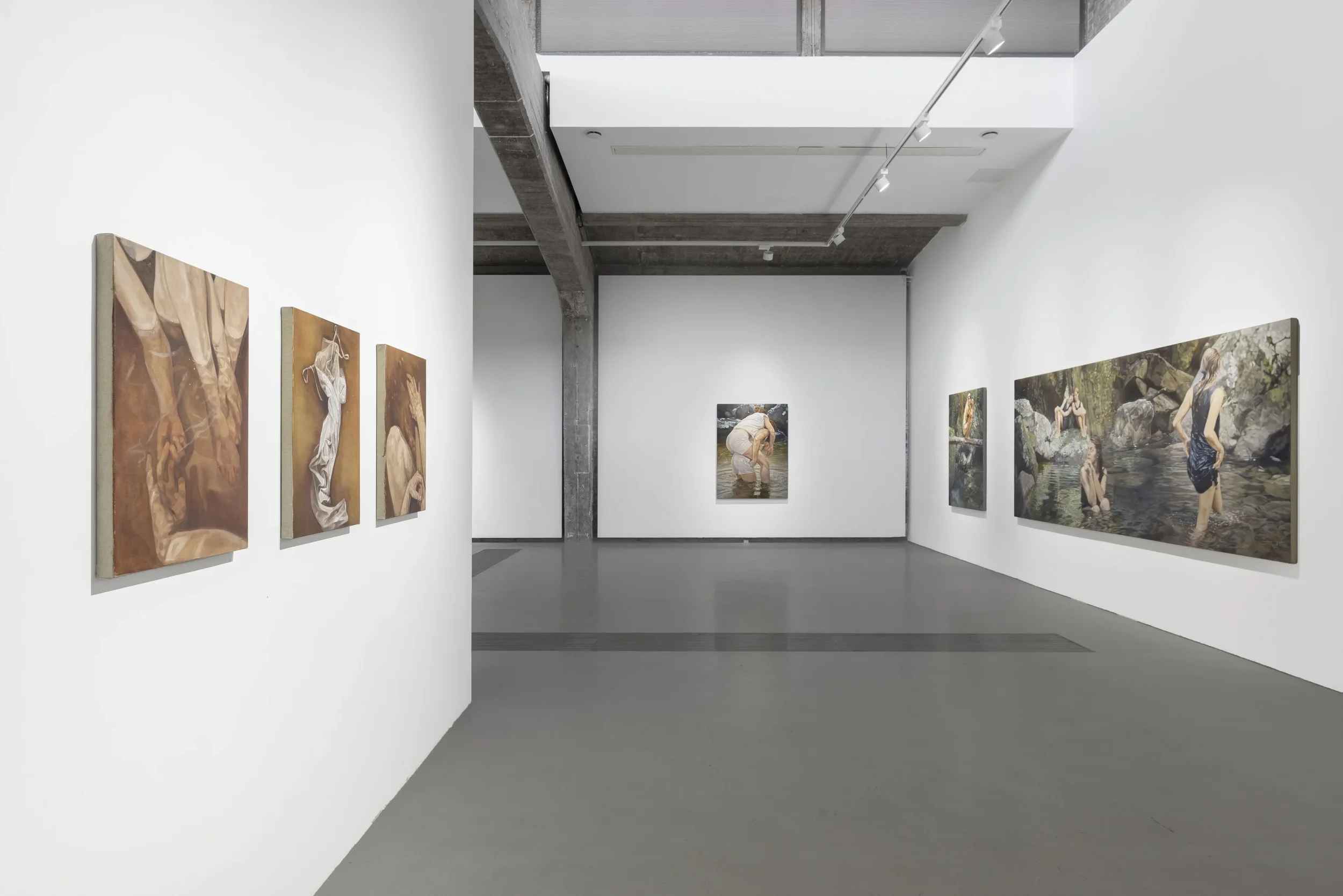
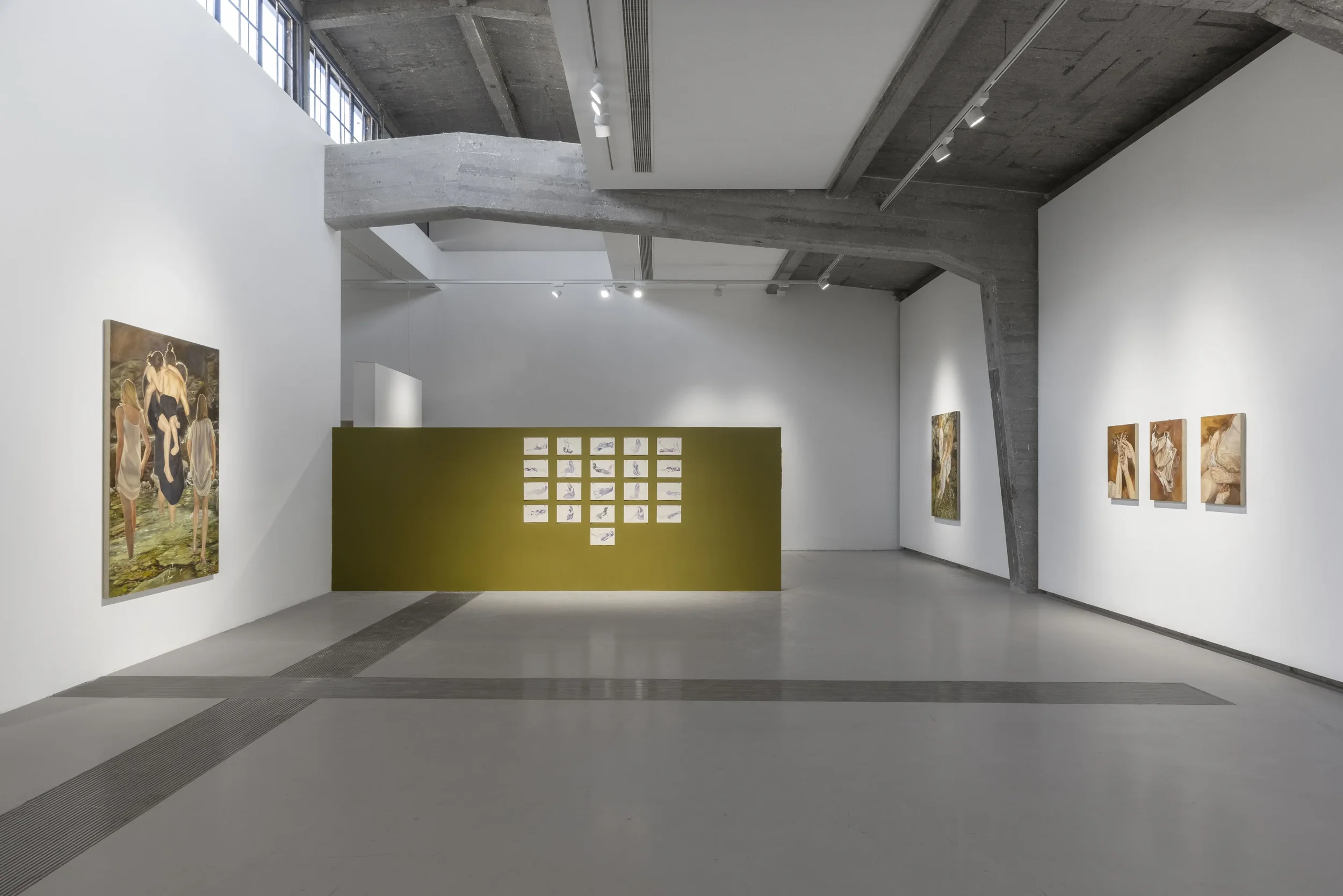
You Call Me Out Upon the Water gathers many of the exhibition’s concerns into a single image. A mother carries her daughters across a stream while, nearby, twin sisters lift their dresses and step into the water themselves. It also echoes Rembrandt’s A Woman Bathing in a Stream, though Thackway turns the figure away from the viewer. The women in Wade rarely offer themselves to be seen. They are absorbed in their own gestures, relations, and passages, moving before us rather than towards us.
Thackway has spoken of growing up acutely aware of the ways women appeared in painting, and of wanting to become the maker of images rather than their object. In Wade, intimacy is present without spectacle. Touch appears as support, hesitation, rescue, pressure, or care. Bodies are close, but not displayed. The viewer is allowed near, but not given possession of the scene.
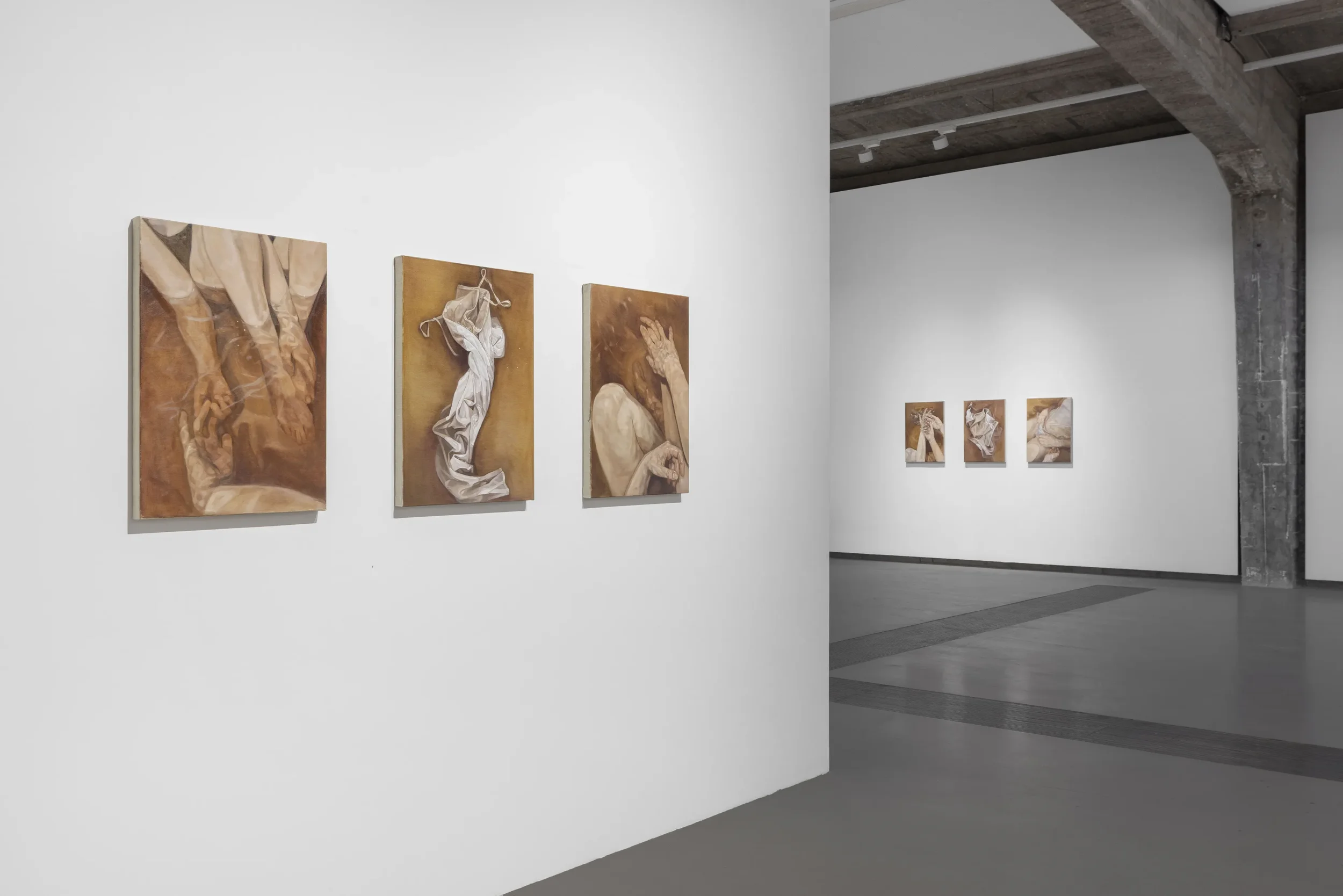
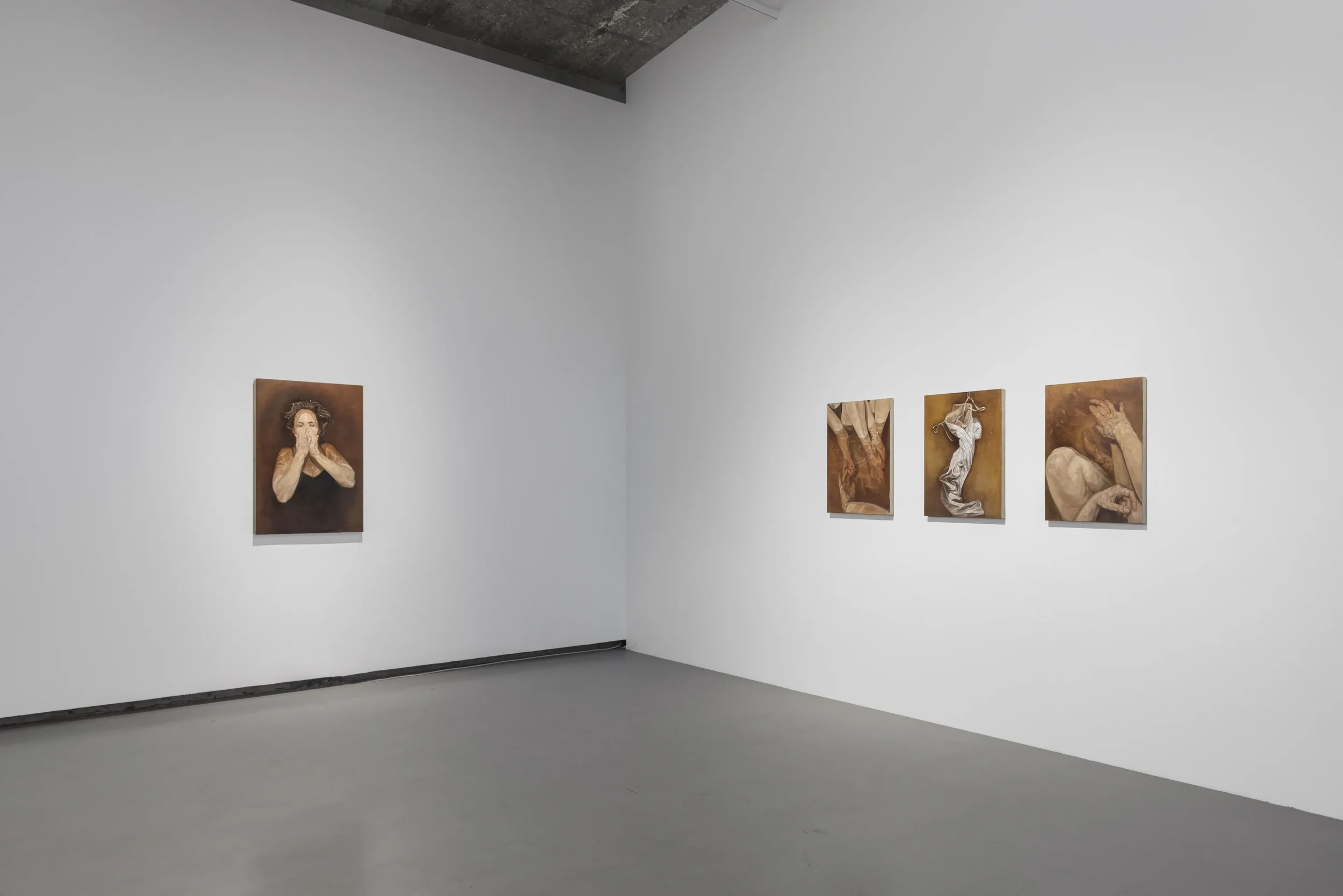
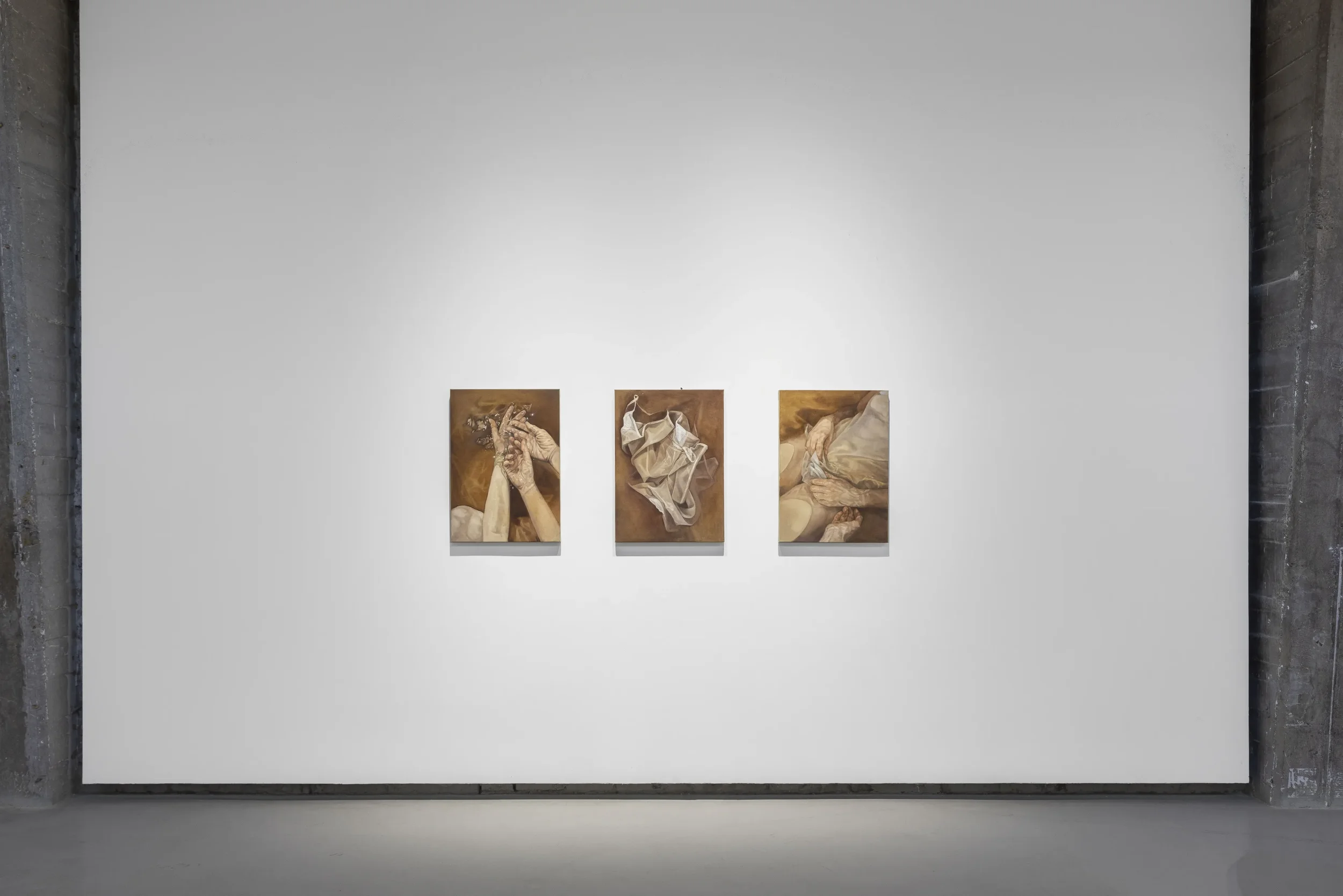
Alongside the larger paintings, a series of smaller works focuses on gestures of touch and fragments of the body. Hands emerge from dark water; fabric drifts across the surface; fingers press, cover, release, or hold. Titles such as Solutio, Immerse, Overflow, Dissolve, and Bathe suggest emotional states rather than narrative events. These works slow the exhibition down, concentrating its drama into partial gestures and small acts of contact.
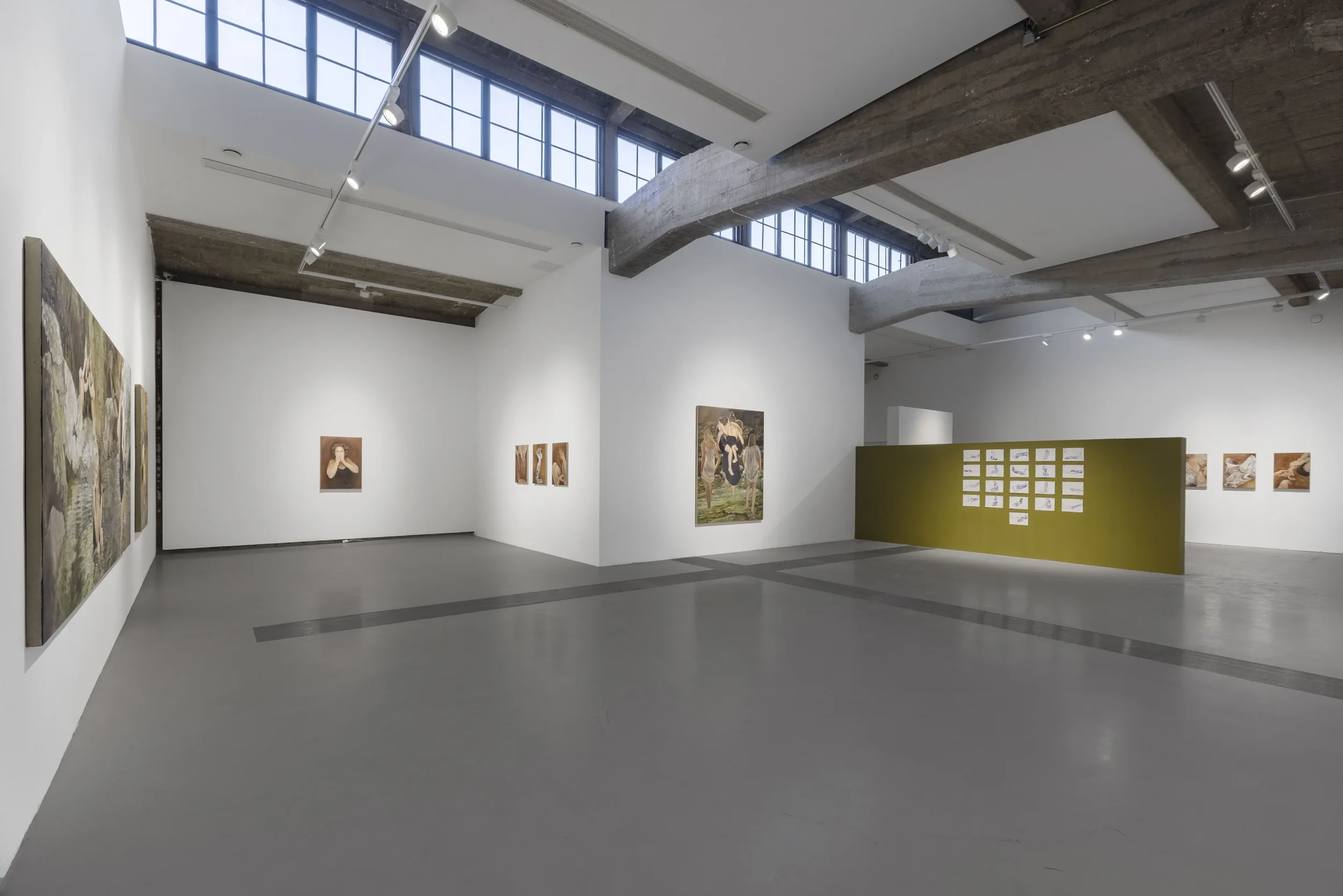
The exhibition also includes an extensive series of nearly one hundred watercolours on paper, collectively titled Hysteria Drawings. The series began during Thackway’s 2025 residency with Tabula Rasa Gallery in London, after a visit to the Freud Museum exhibition Women & Freud: Patients, Pioneers, Artists. There she encountered Paul Richer’s Tableau synoptique de la grande attaque hystérique complète et régulière, a nineteenth-century chart that organised the supposed stages of a “major hysterical attack” into a sequence of poses. Richer’s images translated Charcot’s clinical theory into a visual grammar of female hysteria, turning the body into something ana ertomical, theatrical, and art-historical at once.
For Hysteria Drawings, Thackway made watercolour copies of nearly all the illustrations in Richer’s Études cliniques sur l’hystéro-é pilepsie ou grande hystérie. On the reverse side of each sheet, she painted her friend Elizabeth, a clinical psychologist, re-enacting the same poses. The series examines how women’s pain, fear, desire, grief, and rage were historically misread through medical and visual systems shaped by gendered prejudice. By copying Richer’s illustrations and pairing them with Elizabeth’s contemporary re-enactments, Thackway shifts these images away from diagnosis and spectacle, towards empathy, embodiment, and recognition.
Installation
Tabula Rasa Gallery